Strategic Technical Cybersecurity Policy Advisor, Dr. George Dawutey Ologo, has urged African countries to move beyond participating in global cybersecurity discussions and take an active role in shaping international cyber policies, warning that the continent must strengthen its coordination, technical expertise and diplomatic influence to protect its digital sovereignty under the new permanent United Nations mechanism on cyber issues.
He said the establishment of the mechanism presented Africa with an opportunity to move beyond participating in international cyber discussions to actively shaping the rules, norms and policies governing the global digital space.
“Africa must not merely participate in shaping the digital future; we must help define its rules, strengthen its security and ensure that its benefits contribute to the prosperity and sovereignty of our nations,” Dr Ologo stated.
He made the remarks during a panel discussion on Cyber Diplomacy: What Opportunities for Africa in the New UN Permanent Mechanism? at the recently held Morocco Cybersecurity Week in Rabat, Morocco.
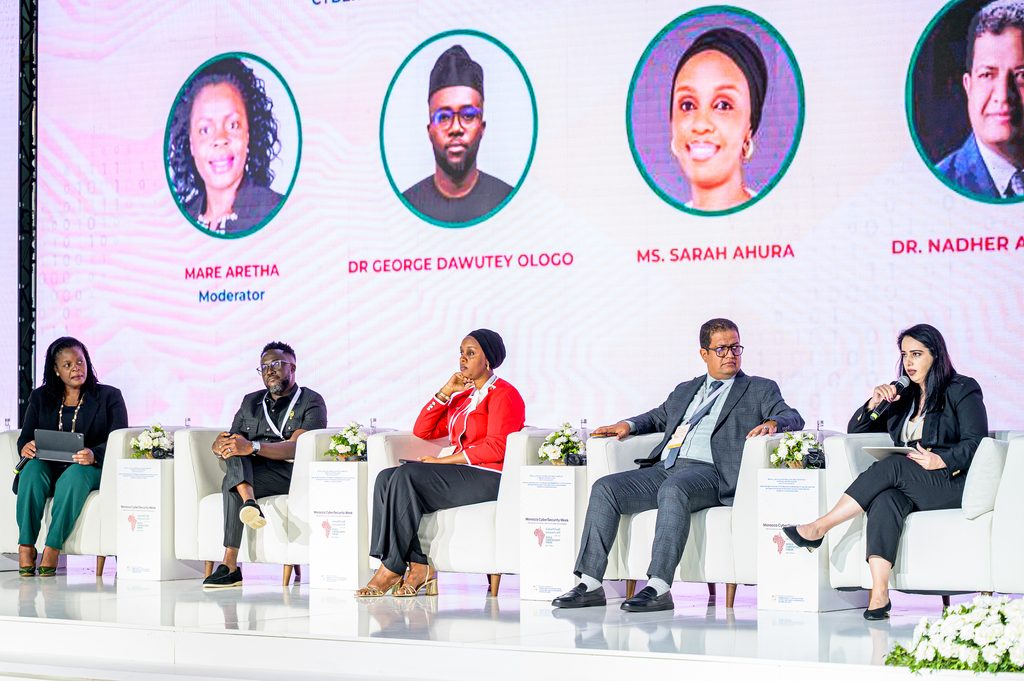
Dr Ologo stressed that Africa must develop a coordinated approach to international cyber diplomacy to ensure that its priorities, including cybercrime prevention, responsible artificial intelligence, data protection and data sovereignty, were adequately reflected in global decisions.
He called on the African Network of Cybersecurity Authorities (ANCA) to establish a structured African Cyber Diplomacy Coordination and Implementation Framework in collaboration with member states, regional economic communities and international cybersecurity authorities.
According to him, the framework would help African countries develop common negotiating positions, strengthen diplomatic and technical expertise, and coordinate their engagement at the United Nations.
“If we want to have a voice, we must also build local content capacity,” he said, emphasising the need for African countries to invest in domestic expertise, research and technological capabilities to support their participation in global cybersecurity governance.
Dr. Ologo called on the African Union Commission to provide continental policy leadership, working with ANCA to mobilise national cybersecurity authorities and technical experts towards a coherent African position on international cyber issues.
He noted that Africa had made significant progress through initiatives such as the African Union’s Common Position on the Application of International Law in Cyberspace and the Malabo Convention on Cyber Security and Personal Data Protection.
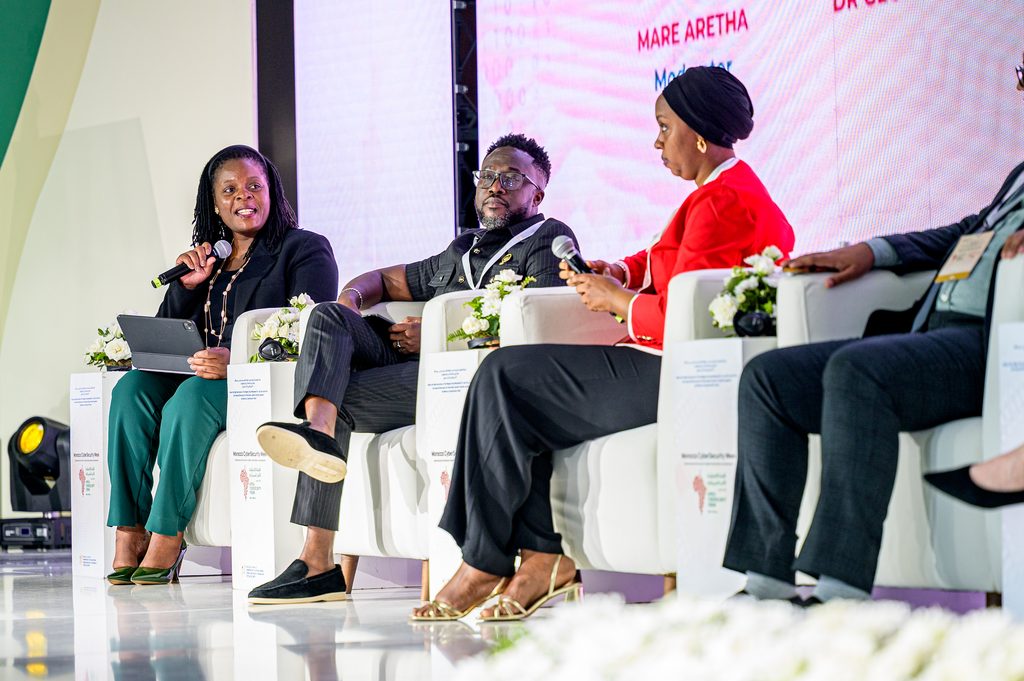
These initiatives, he said, demonstrated the continent’s ability to develop shared positions on cybersecurity and establish common legal foundations for protecting digital systems and personal information.
However, he cautioned that policy agreements alone would not guarantee international influence or strengthen national cyber resilience.
“The real test is implementation,” Dr Ologo said, urging African governments to translate continental commitments into practical national measures, strengthen cybersecurity institutions and align their positions on international cyber negotiations.
He further acknowledged the differences in cybersecurity capacity among African countries, noting that some required stronger incident-response capabilities, while others needed legislative support, specialised personnel, research partnerships and greater access to international negotiations.
Dr. Ologo said a coordinated continental approach must accommodate these differences while ensuring that countries worked towards shared strategic objectives.
He maintained that Africa’s success in the evolving global cybersecurity landscape would depend on its ability to combine political coordination, technical expertise and effective implementation.
He said the continent must move beyond securing seats at international negotiating tables to exercising meaningful influence over the global digital agenda, ensuring that cybersecurity policies advance Africa’s development, protect its citizens and safeguard its digital sovereignty.