Breast surgeon and Chief Executive Officer of Peace and Love Hospital, Dr. Beatrice Wiafe Addai, has appealed to the government to extend the Livelihood Empowerment against Poverty (LEAP) programme to vulnerable breast cancer patients to improve their access to diagnosis and treatment.
She said the financial difficulties confronting many patients, particularly women in rural and underserved communities, prevented them from completing diagnostic procedures and accessing timely treatment, thereby increasing the risk of late-stage diagnosis.
Speaking at the MTN Y’ello Ladies Network’s breast cancer awareness outreach in Accra, Dr. Wiafe Addai said the inclusion of cancer patients from disadvantaged backgrounds in the social intervention programme would help remove financial barriers to essential healthcare.
“Before a disease can be treated, it must first be diagnosed. Unfortunately, screening and diagnostic services are not fully covered by health insurance,” she said.
She cited core needle biopsy, an important procedure for diagnosing breast cancer, as one of the services some patients struggled to afford, forcing them to leave health facilities without completing the necessary investigations.
According to her, the challenge had persisted under successive governments and required a sustainable national response to ensure that financial constraints did not prevent patients from receiving appropriate care.
“In Ghana, we have the LEAP programme, through which vulnerable and poor people receive financial support. We believe breast cancer patients from vulnerable backgrounds could be included in the programme to help them access the care they need,” she said.
Dr. Wiafe Addai stressed that the proposed support should also cover men suffering from prostate cancer, noting that they equally faced significant financial difficulties in accessing treatment.
She disclosed that her team had already approached the Ministry of Gender, Children and Social Protection on the proposal but had yet to receive a favourable response.
“However, we are not giving up. We will continue pushing until we secure substantial support for women, particularly those affected by breast cancer,” she said.
She expressed optimism that an effective support system for breast cancer patients could serve as a model for extending assistance to people affected by other cancers, especially prostate cancer.
Early detection remains critical
Dr. Wiafe Addai said more than 5,000 Ghanaian women were diagnosed with breast cancer annually, while more than 2,300 died from the disease, stressing that many of the deaths could be prevented through early detection and timely treatment.
“These are our loved ones: our mothers, sisters, friends and aunties. However, we can reduce the mortality rate if we take the necessary steps and report to the hospital early,” she said.
She explained that breast cancer could develop without pain in its early stages, leading some women to believe they were healthy because they experienced no discomfort.
She therefore called for sustained awareness campaigns and public education to encourage women to seek medical attention whenever they noticed unusual changes in their breasts.
The breast surgeon also encouraged women to practise monthly breast self-examination to become familiar with the normal appearance and feel of their breasts and to recognise possible abnormalities early.
However, she cautioned that screening alone was insufficient if women failed to follow through with diagnostic investigations and treatment after a suspicious finding.
“We need to ensure that women are properly guided through the next steps after an abnormality is detected. When a woman notices a problem with her breast, she should be confident enough to visit the hospital for proper evaluation and treatment,” she said.
Dr. Wiafe Addai emphasised that not every breast lump or abnormality was cancerous, but warned that untreated breast cancer could spread to other organs, including the liver, lungs, bones and brain, making treatment more difficult.
She expressed concern that approximately 60 to 70 per cent of breast cancer patients treated at her facility presented with Stage III or Stage IV disease.
“We want more women to present at Stages I and II, when treatment is generally more effective,” she said.
She explained that early diagnosis could improve treatment outcomes and, in some cases, allow surgeons to perform breast-conserving surgery rather than remove the entire breast.
Where mastectomy, or surgical removal of the breast, was necessary, she said appropriate treatment could still enable patients to live long and fulfilling lives.
Women urged to reduce risk factors
On factors associated with breast cancer, Dr. Wiafe Addai explained that although the exact cause of the disease remained unknown, several risk factors had been identified.
She said non-modifiable risk factors included being female, a family history of breast cancer, certain reproductive factors and a history of breast abnormalities.

She also identified potentially modifiable lifestyle and environmental factors, including excessive alcohol consumption, cigarette smoking and the use of certain products containing potentially harmful chemicals.
She urged women to exercise caution when purchasing skin-lightening products and hair-straightening preparations, particularly those without clear ingredient labels or reliable information about their regulatory approval.
“Some of these products do not have information written in English on their labels. This raises concerns about whether they have been properly registered or approved by the Food and Drugs Authority,” she said.
She advised consumers to purchase products from reputable sources and check their ingredients and directions for use, warning that some chemicals could contain carcinogenic substances associated with cancer.
Dr. Wiafe Addai also encouraged women to maintain active lifestyles, exercise regularly and adopt healthier dietary habits as part of broader efforts to reduce cancer risks.
She called for stronger collaboration among government agencies, healthcare providers, corporate organisations and civil society groups to improve public education, expand access to diagnostic services and ensure that women diagnosed with breast cancer received timely and appropriate care.
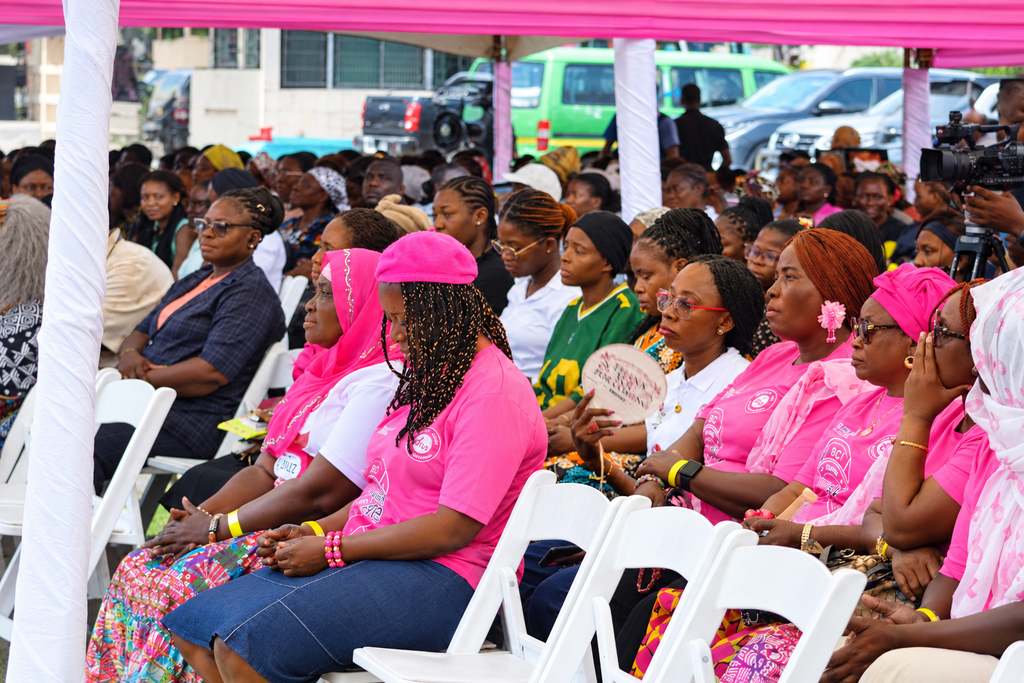
The MTN Y’ello Ladies Network’s outreach, organised in collaboration with Breast Care International, formed part of efforts to raise awareness about breast cancer, promote early detection and encourage women to seek medical attention without delay.