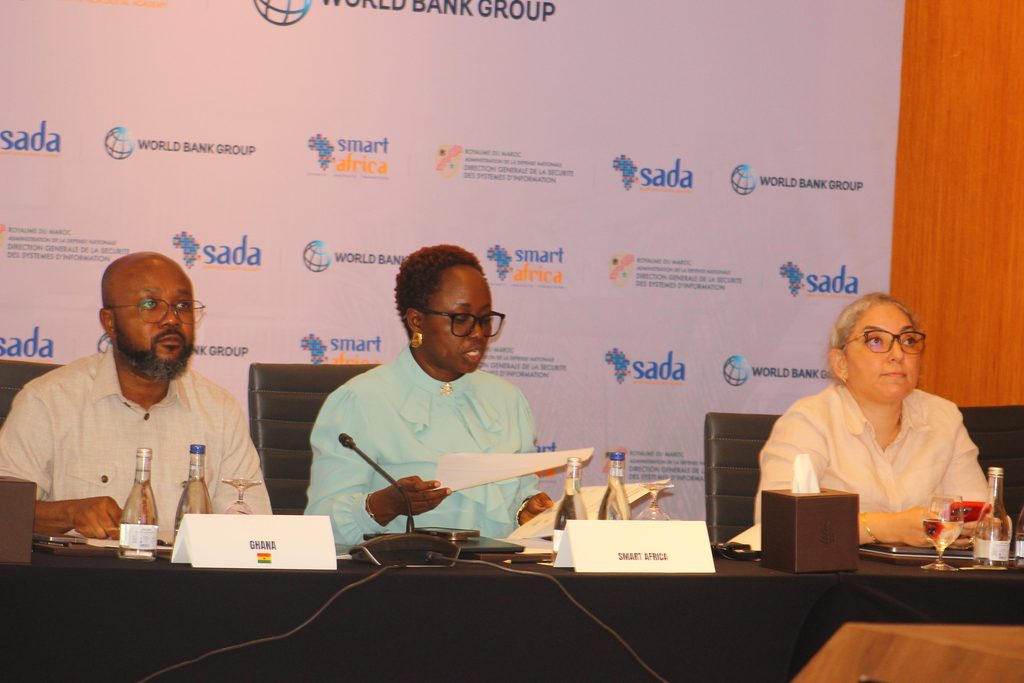
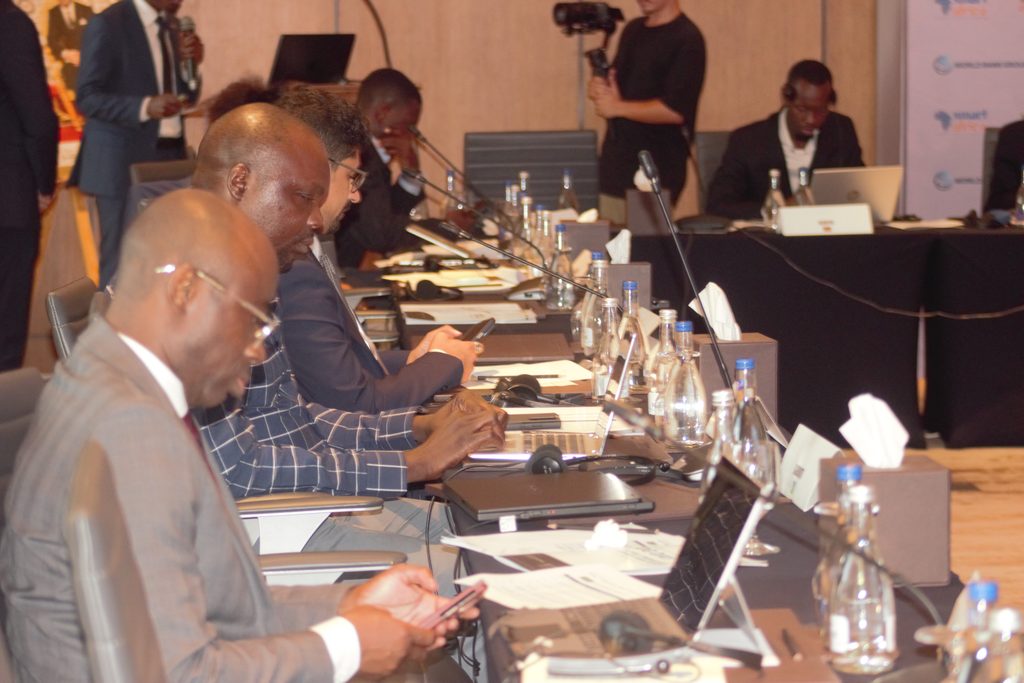
The 8th Meeting of the Africa Network of Cybersecurity Authorities (ANCA) has commenced in Rabat, Morocco, alongside a senior leadership training programme under the SADA WARDIP initiative, bringing together Directors-General and senior cybersecurity experts from across Africa.
The training, organised by the Smart Africa Digital Academy in collaboration with the World Bank, aims to strengthen the capacity of senior cybersecurity leaders to interpret strategic cyber risks, exercise national-level leadership during major cyber incidents, and identify institutional priorities for follow-up action.
The programme features executive briefings, peer-to-peer exchanges and cyber crisis simulations designed to prepare participants to make critical decisions during cybersecurity emergencies, particularly those affecting essential services and critical infrastructure.
Speaking on national-level cyber academies for developing countries, Anat Lewin, Senior Digital Specialist at the World Bank, highlighted innovative approaches to developing cybersecurity talent and addressing the shortage of skilled professionals.
She outlined a training and employment model designed to transform motivated candidates into cybersecurity specialists within six months, even if they have no prior background in cybersecurity, computer engineering or computer science.
Under the model, trainees receive a full salary during the six-month training period and are subsequently placed with employers. The training provider recovers its investment through an arrangement with the employer over a two-year period, while participants continue earning salaries and gaining practical experience.
The approach was presented as one of several possible models for building a sustainable cybersecurity workforce, with Lewin noting that both private-sector-led and publicly led initiatives could contribute to developing national cyber capabilities.
Another key presentation was delivered by Confidence Staveley, Founder and Executive Director of the CyberSafe Foundation, who highlighted the organisation’s efforts to increase women’s participation in Africa’s cybersecurity workforce.
Madam Staveley outlined the CyberGirls Fellowship, a free, year-long cybersecurity training programme for African women aged 18 to 28 across 27 African countries. The initiative targets participants ranging from complete beginners to early-career professionals.
The fellowship features eight months of intensive, practical training, mentorship and opportunities for job or internship placements.
The programme offers specialised learning pathways in areas including cloud security, DevSecOps, governance, risk and compliance, digital forensics, incident response, network security and penetration testing.
The initiative highlights the importance of expanding access to cybersecurity education and creating pathways for African women to enter and advance in the profession.
The training also examined the implications of artificial intelligence for cybersecurity, focusing on how AI is reshaping both cyber threats and defensive capabilities.
The session explored the strategic decisions senior leaders must make to balance technological innovation with effective governance, investment and organisational resilience.
Participants also engaged in a cyber crisis simulation focused on strategic escalation, leadership authority, critical infrastructure engagement, resource prioritisation, government coordination, AI-related uncertainty and requests for international support.
The simulation, led by Lawrence Muchilwa, First Africa Regional Liaison, was designed to test participants’ ability to respond to complex incidents requiring coordination across institutions and national borders.
The exercise continued with a focus on cross-border collaboration, strategic communication, recovery and continuity, allowing participants to consider how cybersecurity authorities should coordinate their responses while maintaining essential services during a crisis.
The programme concluded its scheduled sessions with a peer-to-peer exchange and discussion of closing priorities, providing participants with an opportunity to compare leadership challenges, identify priority actions and explore areas for continued cooperation.
The meeting underscores the growing importance of regional collaboration, investment in skilled professionals and effective leadership in strengthening Africa’s cybersecurity resilience.
As cyber threats increasingly challenge governments, businesses and critical infrastructure, the ability of national cybersecurity authorities to coordinate responses, communicate effectively and sustain essential services remains central to protecting the continent’s digital transformation.
The training was presided over by Ghana’s cybersecurity chief, Dr Divine Selase Agbeti, who chairs the Africa Network of Cybersecurity Authorities (ANCA).