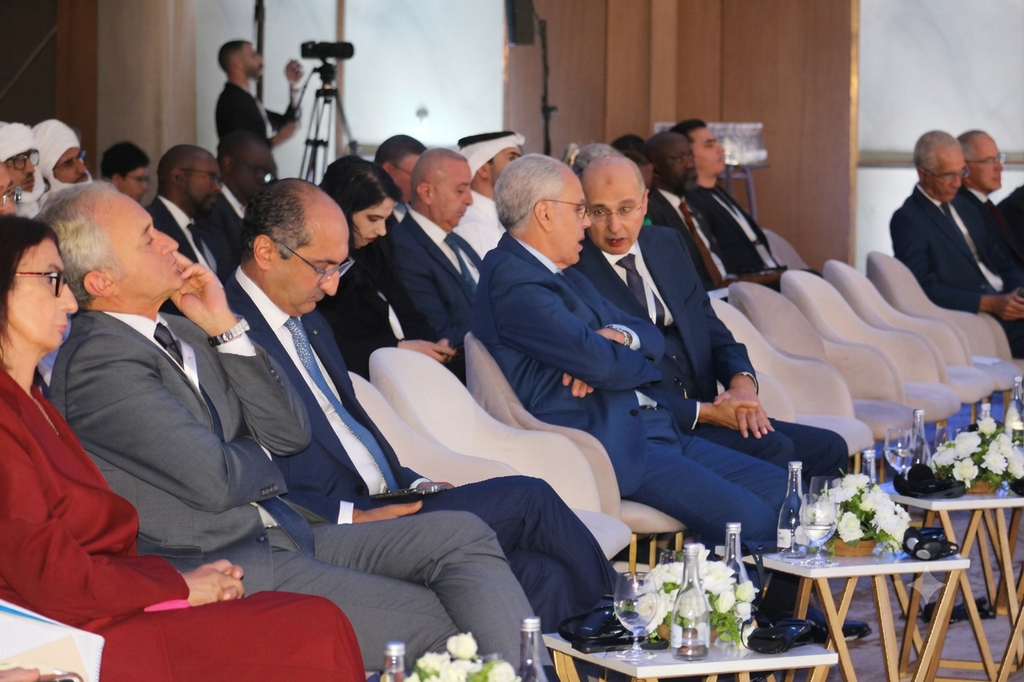
The Director-General of Ghana’s Cyber Security Authority (CSA) and Chair of the Africa Network of Cybersecurity Authorities (ANCA), Dr Divine Agbeti, has called for unified cybersecurity frameworks, stronger incident response systems and deeper continental cooperation to strengthen Africa’s digital resilience.
He said clear laws, well-defined institutional responsibilities and effective coordination among national cybersecurity authorities were essential to protecting critical infrastructure and supporting Africa’s digital transformation.
Dr. Agbeti made the call during a ministerial panel discussion on “Facing Cyber Threats: What Resilience to Support Digital Transformation Ambitions” at Morocco Cybersecurity Week in Rabat, where ministers and cybersecurity leaders are sharing strategies for addressing evolving cyber threats on the continent.
He cited Ghana’s Cybersecurity Act, 2020 (Act 1038), as a major milestone in the country’s cybersecurity development, stressing that establishing a single national authority with a clear legal mandate had strengthened coordination among government, industry, academia, law enforcement and international partners.
“I believe the decision that made the biggest difference in Ghana was having one law, one authority, and clearly defined responsibilities,” he said.
According to Dr Agbeti, Ghana’s experience offers important lessons for other African countries seeking to strengthen their cybersecurity institutions and legal frameworks. Through ANCA, he said, countries with advanced capabilities could support others to develop national roadmaps, identify priorities and build technical expertise.
He said the network was prioritising the establishment of effective cybersecurity incident response capabilities across all member states within the next 12 to 24 months.
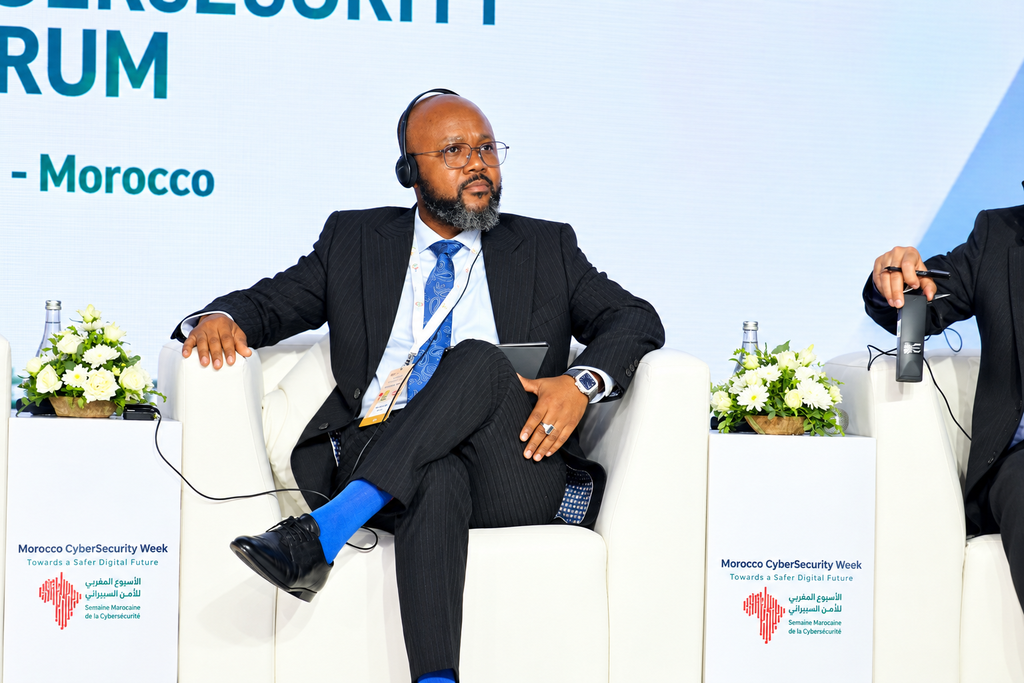
“For ANCA, our parallel priority is to ensure that every member state has a functioning cybersecurity incident response capability, supported by well-trained personnel and connected to ANCA’s continental incident response coordination framework,” he stated.
Dr. Agbeti added that operationalising the network’s incident response mechanism would improve coordination during cyber incidents and strengthen intelligence sharing among member states.
He identified the protection of essential services and critical infrastructure as an immediate priority for Liberia, while Cabo Verde needed to strengthen the institutional and regulatory foundations of its cybersecurity ecosystem.
Liberia’s Minister of Post and Telecommunications, Sekou Kromah, also called for stronger partnerships and better risk management to secure digital infrastructure, particularly as African countries face financial and technical constraints.
He said governments must coordinate national initiatives and work with international partners to mobilise the resources and expertise needed to secure their digital transformation programmes.
Mr. Kromah cited Liberia’s security partnership with France, which supports security arrangements at the country’s airports, and efforts to secure access to a second submarine cable to improve telecommunications resilience.
“These are issues we must all work together to address,” he said, emphasising the importance of regional and international cooperation in tackling cybersecurity challenges.
The Liberian minister also warned that the rapid development of artificial intelligence (AI) required governments to establish appropriate policies and regulations to address emerging risks and ensure accountability.
He urged countries to integrate cybersecurity into digital infrastructure projects from the planning stage rather than incur additional costs to address vulnerabilities after systems had been deployed.
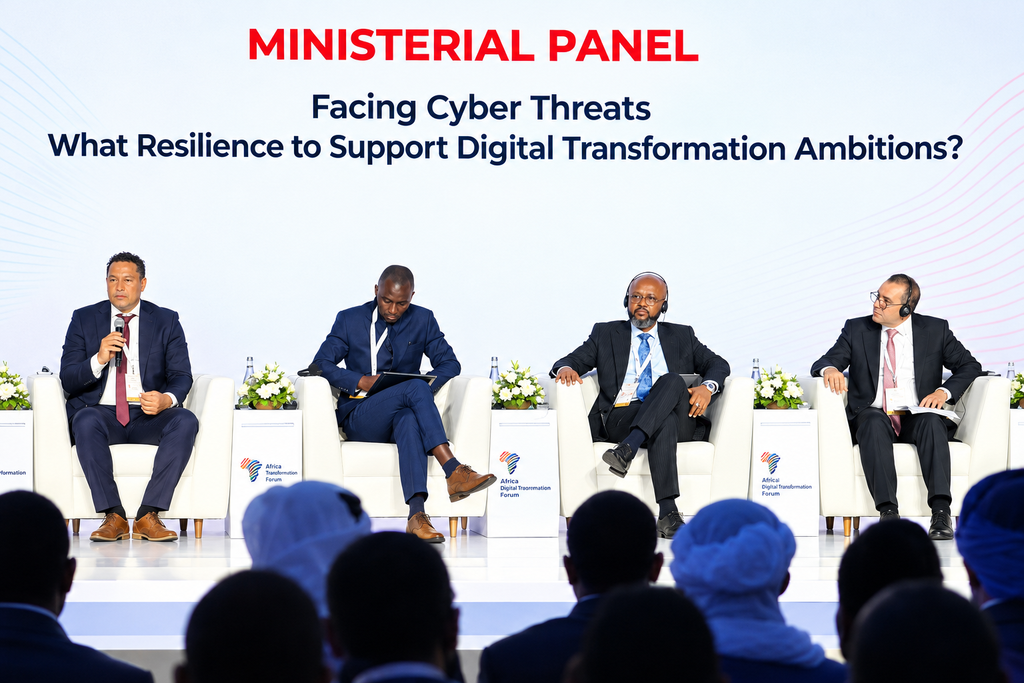
Meanwhile, Cabo Verde’s Minister for Economy, Commerce, Industry and Digital Transition, Antonio Jose Medina dos Santos Baptista, said strong regulatory frameworks were essential to attracting investment and building confidence in the country’s digital economy.
He stressed that establishing sound institutional structures and clear regulations would provide the foundation for secure digital development and sustained investor confidence.
The discussions highlighted the need for African countries to combine strong national cybersecurity institutions with secure infrastructure, skilled personnel and effective regional partnerships.
Through ANCA, member states are seeking to share expertise, strengthen national incident response systems and improve their collective ability to anticipate and manage cyber threats.